
From Harela to Egaas – Famous Festival of Uttarakhand That Celebrate the Spirit of Devbhoomi

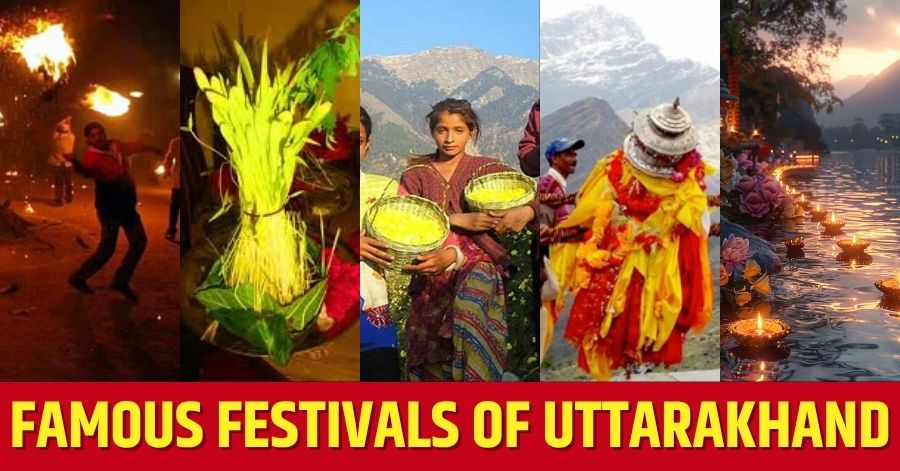
The state of Uttarakhand, also known as Devbhoomi, means “land of the Gods.” As the name suggests, Uttarakhand is a spiritual place covered with mountains. Its beauty attracts all, but beyond its beauty, their traditions, culture, festivals & fairs are one of the attraction centers for all. The people of Uttarakhand share their happiness by celebrating different festivals. Every region, every valley in Uttarakhand celebrates life in its own way, from grand religious yatras to local harvest rituals. Let’s explore the most famous festival of Uttarakhand that makes this hill state a cultural wonder.
List of Famous Festival of Uttarakhand
Some of the famous festivals that are celebrated in Uttarakhand were:
- Nanda Devi Raj Jat Yatra
- Harela
- Phool Dei
- Ghee Sakranti
- Basant Panchami
- Egaas
- International Yoga Festival
- Kumbh mela
Nanda Devi Raj Jat Yatra
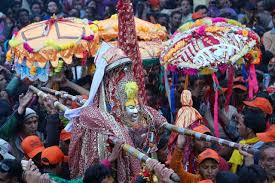
This yatra is considered the most sacred event in Uttarakhand, also known as the “Kumbh of the Himalayas.” It is one of the famous festival of uttarakhand. It is a month-long pilgrimage across the most difficult terrains in the Himalayas.
- Significance: Celebrated in honor of Goddess Nanda Devi (an avatar of Goddess Parvati). It is believed that Goddess Nanda once visited her parents’ home and did not return for 12 years. After this, she was sent off to her in-laws’ home with special rituals.
- The Journey: The journey begins from the village of Nauti near Karnaprayag, the yatra covers over 280 km, and comes to an end at the high-altitude lake of Roopkund. Devotees from various regions participate in this yatra that shows their never-ending faith.
- When: It is held only once every 12 years, which is why it is known as the Kumbh of the Himalayas.
Devotees, dressed in traditional attire, walk together for weeks, carrying sacred idols chanting devotional songs. This yatra makes this festival one of the famous festival of Uttarakhand.
Harela – The Festival of Greenery and New Beginnings
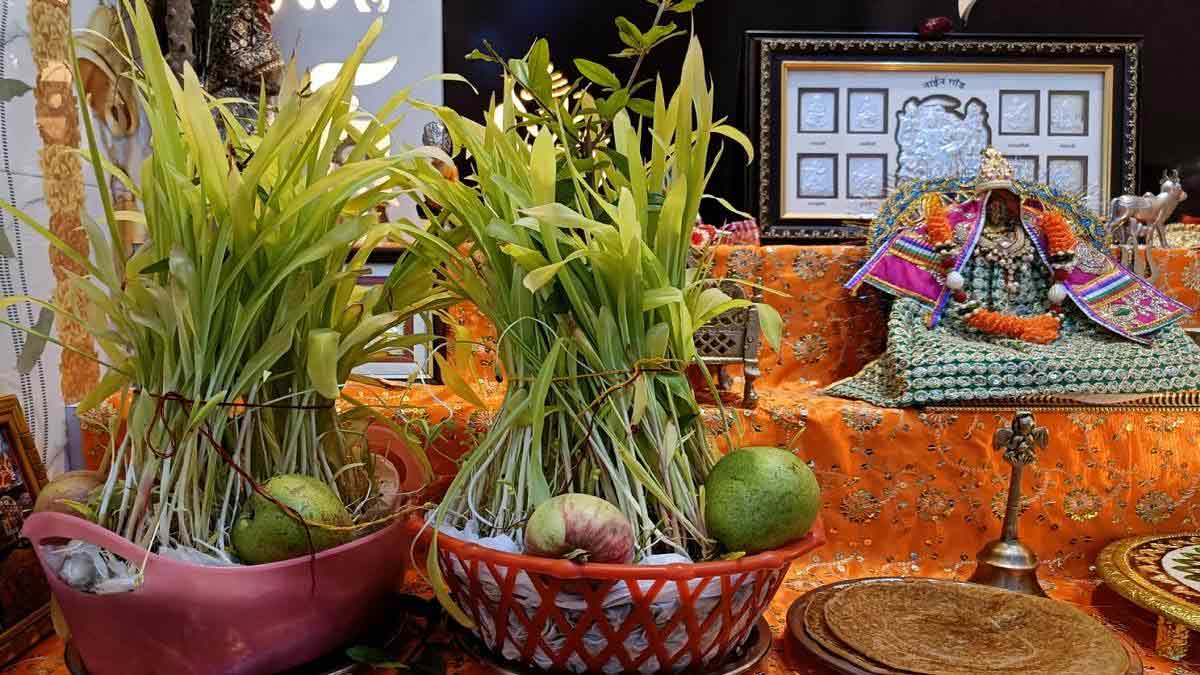
It is the festival that reflects Uttarakhand’s deep connection with nature. One of the most important and famous festival of uttarakhand in the Kumaon region, Harela marks the beginning of the monsoon season. Tree planting and environmental awareness campaigns are also organized in schools and offices during this time.
- Significance: It is a thanksgiving festival in honour of Lord Shiva and Goddess Parvati, indicating a desire for greenery and a good harvest.
- Ritual: Nine days before the festival, a small pot is filled with seeds of seven different grains (with barley, wheat, and maize amongst them). The grains germinate into tiny yellow-green sprouts. On the day of Harela, the sprouts are cut and put behind the ears or on the head as a symbol of good luck and greenery.
- When: It is celebrated in the month of Shravan (July-August),
Phool Dei – Welcoming Spring with Blossoms
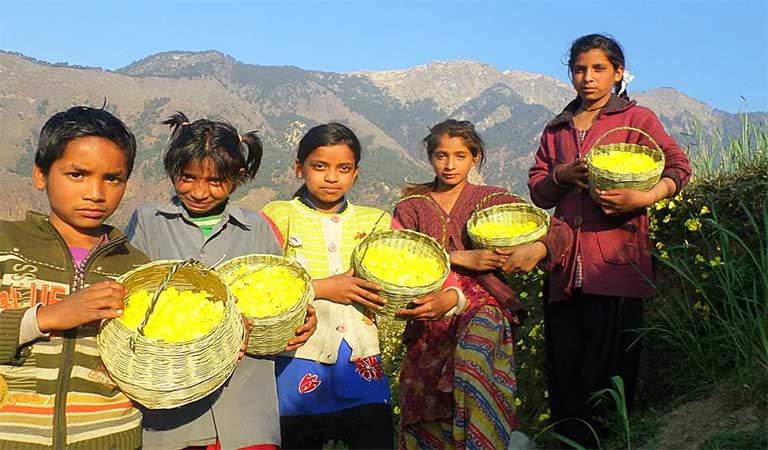
When spring arrives in the hills, it brings one of the most beautiful and heartwarming festivals—Phool Dei. It is also one of the famous festival of uttarakhand.
- Significance: Phool Dei means “Day of Flowers.” It is a festival of nature and the joy of renewal.
- Ritual: Early in the morning, young girls and children collect fresh seasonal flowers like buransh, pyoli and collect them in baskets. Then they go door-to-door and decorate the thresholds of homes with the flowers and sing the traditional folk songs “Phool Dei, Chamma Dei, Deni Dwarka Bhar Bhakar Dei.”
- Tradition: As a sign of prosperity to the household in return, the girls & children receive gifts like rice, jaggery, and, many times, money during the Phool Dei ceremony.
- When: The first day of the Hindu month of Chaitra (usually mid-March).
Ghee Sankranti (Olgia) – A Festival of Gratitude
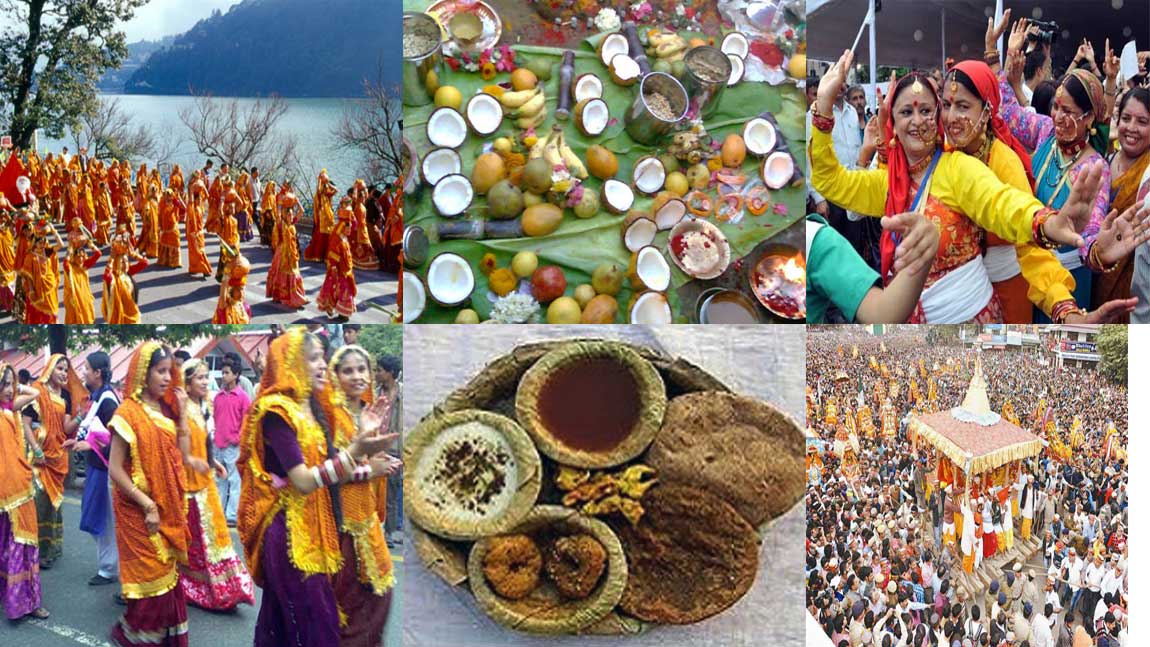
Ghee saktanti festival is also known as Olgia is one of the famous festival of uttarakhand. It is a day to thank nature, animals, and the hard-working farmers who keep life going.
- Significance: Farmers celebrate the successful beginning of the harvest season and pray for the health of their livestock and tools.
- Tradition: On this day, people eat Ghee and paratha stuffed with pulses. Eating Ghee on this day is believed to ensure protection from cold and disease. Family members, particularly sons-in-law and nephews, are often gifted vegetables and food items.
- When: It is celebrated in mid-August.
Basant Panchami: The Yellow Welcome to Spring
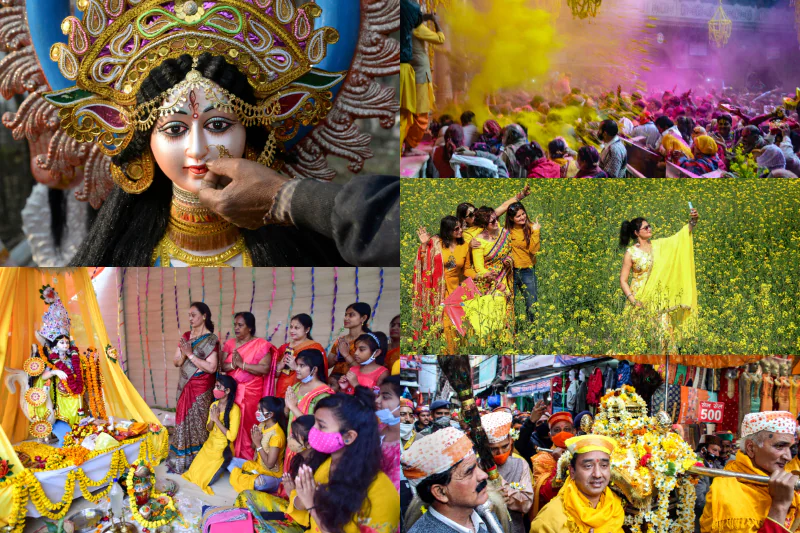
This beautiful festival marks the official end of winter’s cold and the beginning of Basant Ritu (the spring season). It brings joy, color, and a sense of renewal to the mountains. It is one of the most cheerful cultural famous festival of Uttarakhand.
- Significance: Goddess Saraswati is worshiped on this day. She is the deity of knowledge, music, arts, and wisdom. Worshipping her is believed to bring blessings for learning and creativity.
- Tradition: People wear yellow clothes, prepare yellow sweets like Kesari Halwa, and decorate homes with mustard flowers that bloom during this time. The color yellow symbolizes prosperity. In the Kumaon region, this day is important because it marks the beginning of the long, musical celebration known as Kumaoni Holi. The traditional singing and gathering start on Basant Panchami and continue until the main Holi day.
- When: The festival falls on the fifth day (Panchami) of the Hindu month of Magha, which is usually in late January or early February.
Egaas (The Second Diwali)
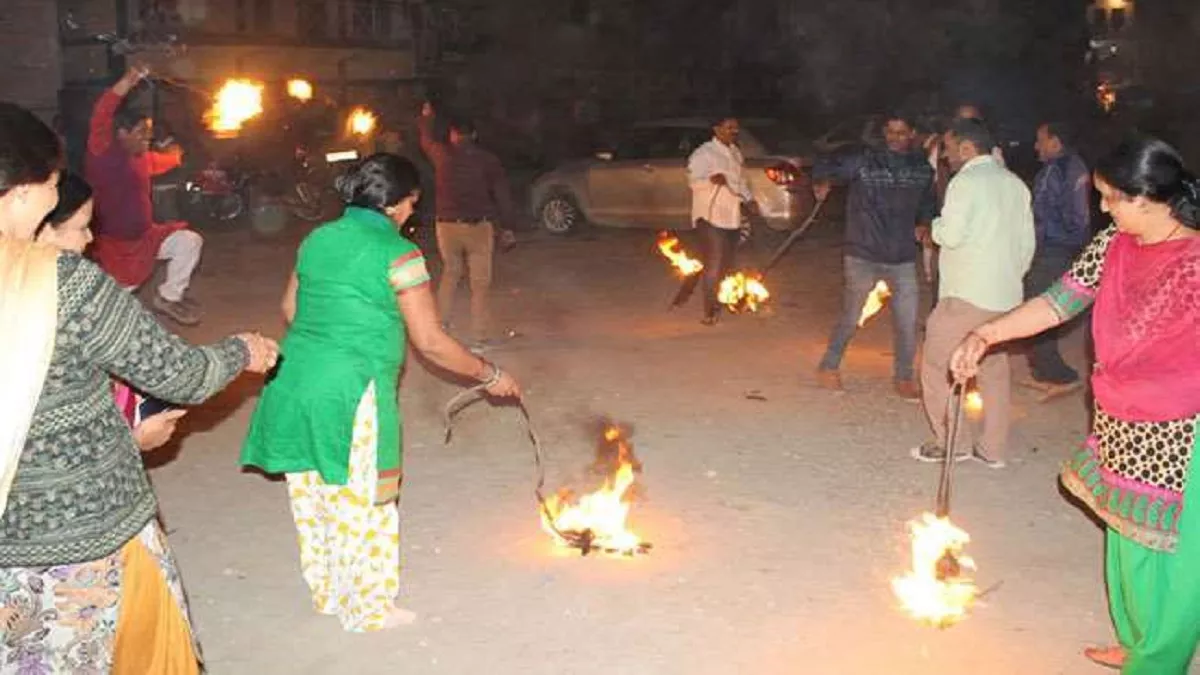
This is a very special regional festival, mainly celebrated in the Garhwal region of Uttarakhand, about 11 days after the main Diwali festival. It is one of the most colorful traditional famous festival of Uttarakhand that preserves the Himalayan people’s unity and rich tradition.
- Significance: Egaas is also named as the “Second Diwali” or igas bagwal of the hills. It has a special meaning because it was traditionally held to celebrate the safe return of soldiers and young men to their villages after serving away during the main Diwali festival. It is a festival of reunion and happiness.
- Tradition: Like Diwali, people light lamps and enjoy festive meals. The most unique tradition is the Bhailo dance. Villagers gather to swing and twirl a bundle of thick ropes (Bhailo) lit with fire. It’s a joyful, energetic folk dance performed to celebrate the happy reunion and prosperity.
- When: It is celebrated exactly 11 days after Diwali.
International Yoga Festival
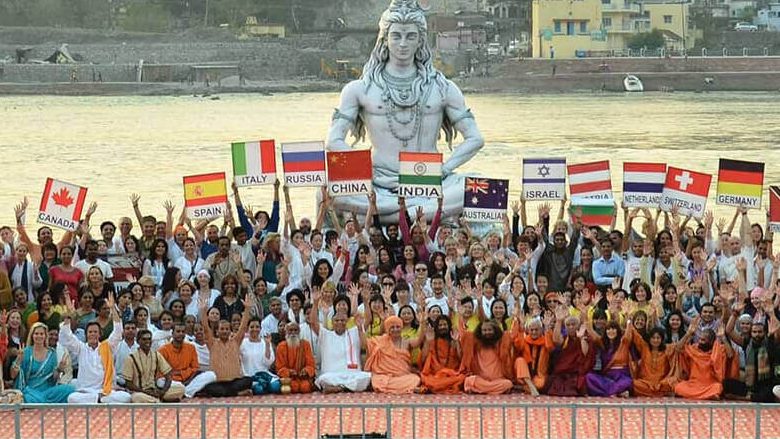
Rishikesh, the yoga capital where this festival is the biggest showcase. It is a week long event where thousands of yoga lovers, spiritual seekers and famous yoga masters come together. The festival takes place on the sacred River Ganga. Here not people from India but also from outside the country comes to join yoga festival. Due to its promimence Yoga festival becomes the most famous festival of Uttarakhand.
- Significance: The traditional practice of yoga that originated in India is done in this festival. People engage in multiple styles of yoga (such as Hatha, Kundalini, etc.) learn from gurus, put effort into meditation, and have the opportunity to participate in discussions surrounding all areas of philosophy and well-being. It is about peace, health, and togetherness. It’s a celebration of peace, health, and unity.
- When: Held annually, usually in the first week of March.
Kumbh Mela
The Kumbh mela is the large religious festival of uttarakhand. It is celebated every 12 years. It is celebrated in the four pilgrimage sites on the rotating cycle -Prayagraj, Haridwar, Nashik, and Ujjain. Here people, saints, devotees all take the holy bath on River Ganga known as the Shahi Snan.
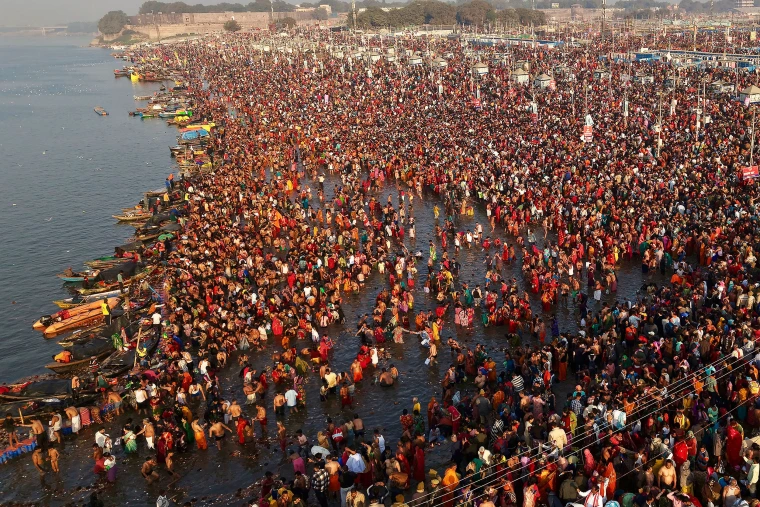
- Significance: According to Hindu mythology, it is believed that by taking a holy dip in the River ganga it wash away sins of the person.
- Story : According to mythology, during Samundra Manthan , few drops of nectar fell at four places – Haridwar, Prayagraj, Nashik and ujjain. Therefore, the kumbh mela is celebrated at these four locations after every 12 years.
- When : This famous festival of uttarakhand is celebrated every 12 years and also ardh(half) kumbh on 6 years is also celebrated at Haridwar and Prayagraj.
Conclusion
These famous festival of Uttarakhand are perfect examples of trust, nature, and joy together. Each festival is a depiction of some grand beginning—of harvest, thanksgiving, devotion, and new beginnings. They show you how the people of Devbhumi live, celebrate nature, and maintain their ancient faith with great strength.
Read this also: Famous Food of Uttarakhand: क्या आपने चखे हैं Uttarakhand के यह स्वादिष्ट व्यंजन?
