
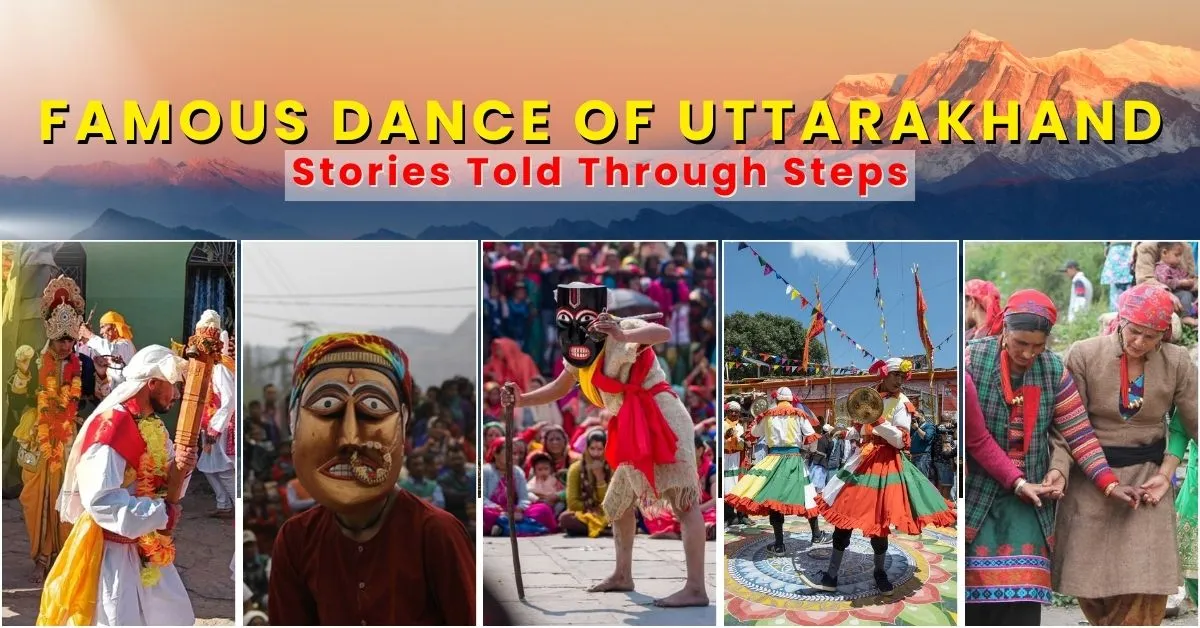
The Uttarakhand beauty can be seen through their music, festivals and traditional rhythms that combine all the communities in the state. Many people connect the famous dance of Uttarakhand to entertainment, but in reality, it is much deeper than that. It includes emotions, stories and lifestyles that are represented by the hill people who have traditionally lived in that region. Each style of dance from Uttarakhand has its own unique message, belief, and connection to nature. The people of Uttarakhand show their happiness, gratitude, victory, and even sorrow with their dance; therefore, dance is an important part of their lives.
What makes the famous dance of Uttarakhand truly special is its simplicity in their dance forms. The traditional folk dance of uttarakhand doesn’t need stages or lightning to perform it can be performed in open spaces, on festival grounds, or during community gatherings.
The traditional folk music instruments, such as the dhol, damau, bhankora, turri, and ransingha, create a natural and vibrant sound that refreshes the atmosphere. They continue to be an important part of the cultural identity of Uttarakhand and have been in use for hundreds of years. In this article we will go through some of the famous dance of uttarakhand.
List of Famous Dances of Uttarakhand
Each famous dance of Uttarakhand has its own individual meaning, style, rhythm and cultural story. The dancers who express these dance styles do not have to be dancers by profession; common village workers, farmers, female workers, elders and children participate in these dances and enjoy them with as much enthusiasm and pride as do professional dancers.
Some famous dance of Uttarakhand were :
- Langvir Nritya
- Barada Nati
- Chholiya
- Jhora
- Pandav Nritya
- Chauphula
- Thali Dance
- Bhotiya Dance
- Ramman
- Mukhauta Dance
Langvir Nritya: The Amazing Pole Dance of Garhwal
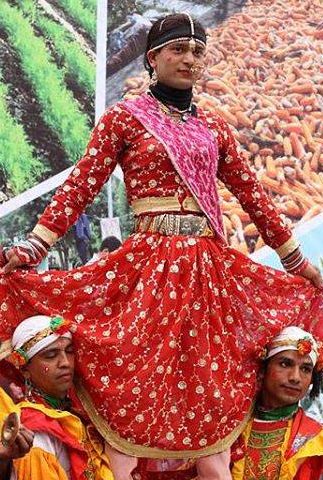
Langvir Nritya is a unique and famous dance of Uttarakhand. It is an acrobatic dance form that shows a lot of strength and balance. It is a dance to celebrate courage, physical power and strong spirit of the people in the mountains.
- Origin: It is mostly seen in the Tehri Garhwal area.
- Who Dances: It is said that Only men perform this dance form.
- Instruments used: The main instruments used in this famous dance are the Dhol and the Damau.
- Clothes: In this dance dancers wear light, traditional Garhwali clothes, like dhoti, and sometimes they wear a cap also.
- When: Langvir Nritya is often performed during local festivals, traditional marriage ceremonies, and large gatherings within the local communities.
- How It Is Done:The most amazing thing about this dance is that it is performed on a tall, straight bamboo pole. A big, strong bamboo pole is set up firmly in the ground. One dancer climbs the pole and balances himself on his stomach or belly at the very top. While balanced, the dancer does many difficult gymnastic tricks, stunts, and spins using his hands and feet, all while staying on the pole!
Barada Nati: The Joyful Festival Dance of Jaunsar-Bawar
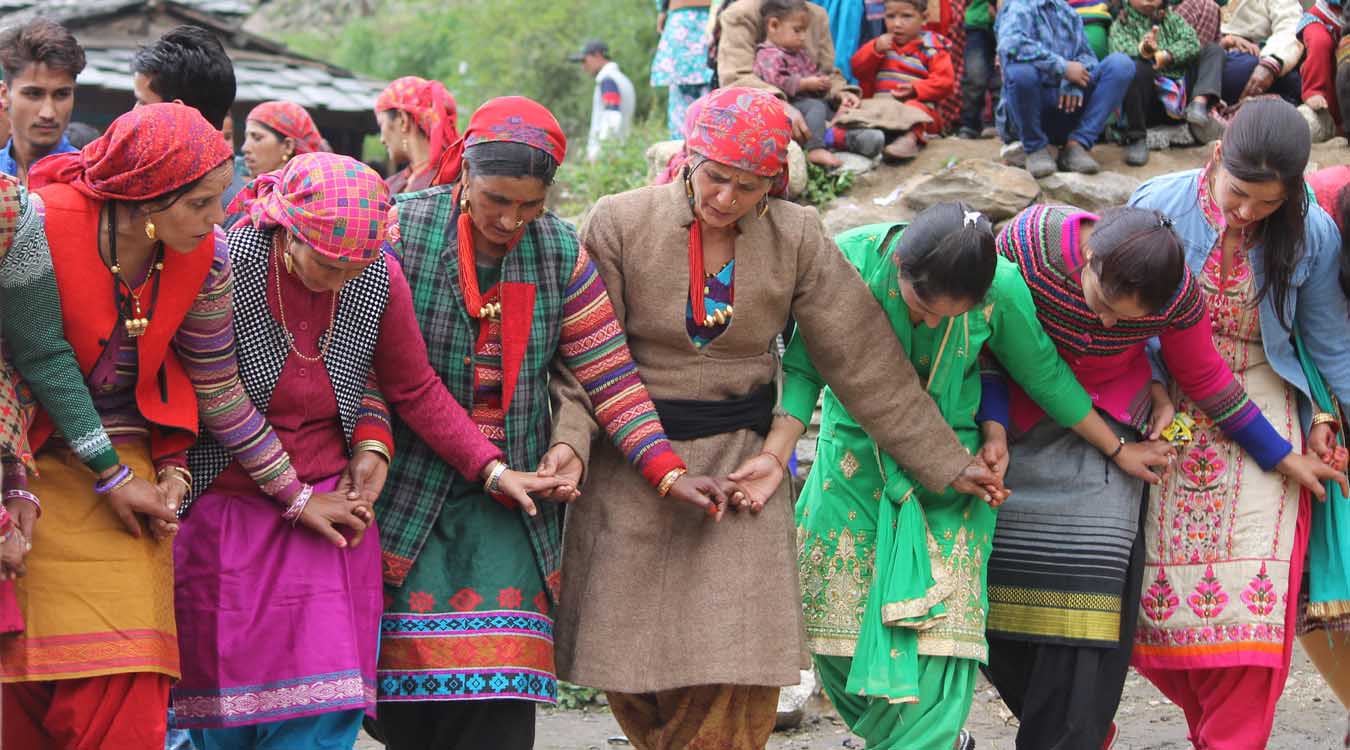
Barada Nati is one of the most vibrant and popular dances performed in Uttarakhand. The dance expresses the lifestyle of Jaunsari people that live in the Jaunsar-Bawar areas. This dance is performed during festivals, weddings, and other important community gatherings.
- Origin: Barada Nati originated from Jaunsar-Bawar, within the Dehradun district of Uttarakhand. It has been performed for hundreds of years and is a traditional dance of the Jaunsaris.
- Who Dances: Both men and women participate in Barada Nati dance. They usually dance in large groups of 20-30 people at times.
- Instruments Used: The music of Barada Nati is energetic and uplifting. The traditional instrument of uttarakhand Dhol, damau, turi, ransingha is used in this dance form.
- Clothes: In Barada Nati people wear traditional clothing that belongs to Jaunsar. The Men wear: Kurta-pyjama, woolen caps, bright coloured waistcoats and the Women wear: Colorful ghagra-choli, traditional pichhaura, with heavy silver jwellery.
- When It Is Performed: Barada Nati is performed during weddings, harvest festival, local fairs and festivals.
- How It Is Performed: Barada Nati is performed in rows or a semicircle. People make a semicircle and move forward, backward and side to side in perfect coordination. Barada Nati is full of joy, smiles, and bright colours, it is one of the most famous dance of Uttarakhand.
Chholiya Dance: The Warrior Sword Dance of Kumaon
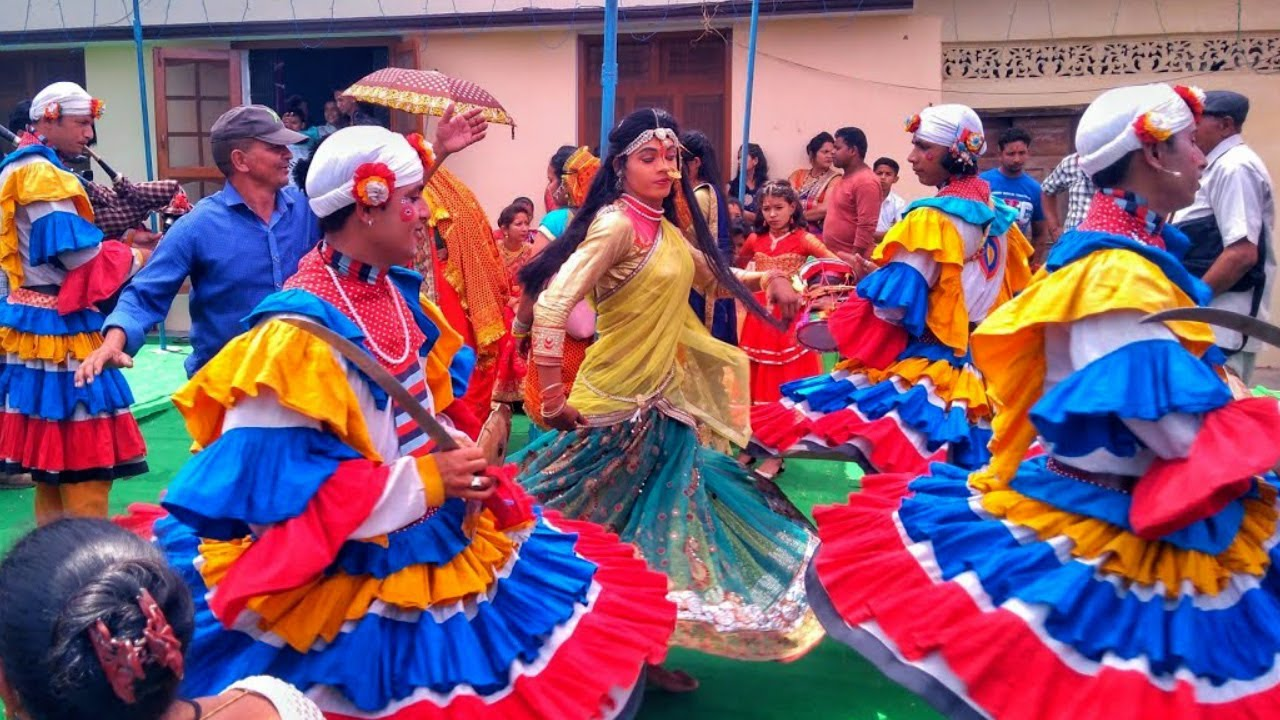
Chholiya is one of the folk dance and also the famous dance of Uttarakhand. It comes from the Kumaon region and is known as the warrior dance of the mountains. The energy, the swords, the shields, and the loud beats of drums make this dance look like a scene from an ancient battlefield.
- Origin: Chholiya originated in the Kumaon region, especially in areas like Almora, Pithoragarh, and Champawat. It is said to be hundreds of years old and linked to Rajput warriors who once protected the region.
- Who Dances: Chholiya is usually performed only by men, especially those trained in traditional martial arts. The dancers move in groups carrying swords and shields.
- Instruments Used: The strong, loud music makes this famous dance of Uttarakhand very powerful. Traditional instruments like dhol, damau, ransingha, turi , nagphani is used in this dance form.
- Clothes: In Chholiya dance mens wear traditional warrior costumes like a kurta, pyjama and a brightly colored angarakha. They also wear turbans, chest covers and belts that represent the traditional Kumaoni warriors.
- When It Is Performed: Chholiya dance is mainly performed during marriages as it is believed that it provides protection from evil spirits and demons.
- How It Is Performed: Dancers move in lines and circles, striking their swords and shields to the beat. Their movements look like battle formations. The energetic steps, loud music, and warrior costumes make it one of the most dramatic and famous dance of Uttarakhand and also the folk dance of uttarakhand.
Jhora Dance: The Dance of Unity and Community
Jhora is a peaceful and joyful, famous dance of Uttarakhand. It is mostly performed by the people of the Kumaon region. This dance represents togetherness, harmony, and community love. Jhora is performed during Village fairs, festivals, social gatherings, and harvest celebrations.
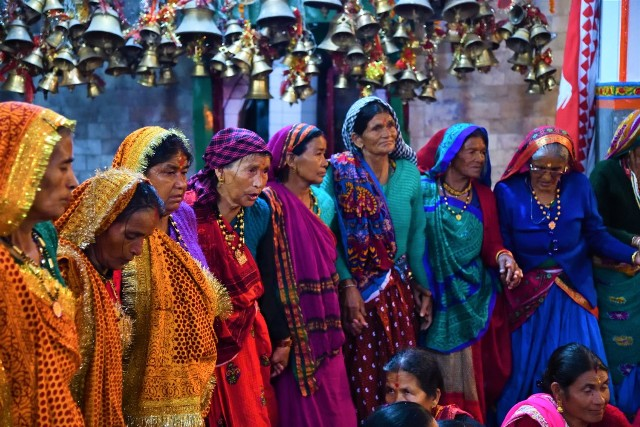
- Origin: Jhora is mainly from the Kumaon region, celebrated in villages and towns during local fairs.
- Who Dances: It is a community dance so men and women dance together. People of all ages participate in this dance.
- Instruments Used: The traditional music instruments dhol and damau is used in this dance form and Local folk songs have been sung by the local peoples.
- Clothes: Everyone dresses in colorful traditional clothes. Generally, women wear ghagra, choli & pichhaura and men wear Kurta Pyjama and waistcoat.
- Jewelry: Women wear silver ornaments like Hansuli, Earrings, & Bangles
- How It Is Performed: People stand in a large circle, holding hands or moving side by side. They move smoothly with slow steps. The gentle rhythm of Jhora makes it one of the most calming and famous dance of Uttarakhand.
Pandav Nritya: The Dance of Mahabharata Stories
Pandav Nritya also known as Pandav Lila is an ancient form of dance-drama performed by dancing actors depicting scenes from the Mahabharata. It is a folk dance and the famous dance of Uttarakhand as it shows ancient stories via songs with accompanying facial expressions, costumes, and the physical representations of dramatic actions.
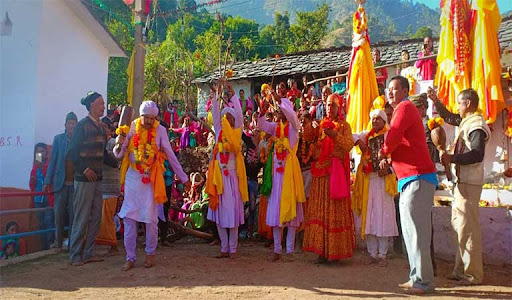
- Origin: It originated in the Garhwal region and has been performed for centuries to retell the stories of the Pandavas.
- Who Dances: Men usually perform the dance, representing characters like: Pandavas, Draupadi, Krishna and Kauravas.
- Instruments Used: Instruments like dhol, damau, harmonium and traditional folk vocals has been used in this traditional dance form.
- Clothes: Performers wear colorful costumes representing mythological characters.
They also wear crowns, turbans, or special headgear. - When It Is Performed: Pandav Nritya is performed during Religious ceremonies , Festivals and all night cultural events.
Chaufula : The Joyful Dance of Celebration
Chauphula is one of the most joyful and famous dance of Uttarakhand. It is performed to celebrate happiness, new beginnings, and the beauty of nature. The dance is simple, energetic, and full of positive vibes. People perform Chaufula to thank nature for good harvests, good health, and prosperity.
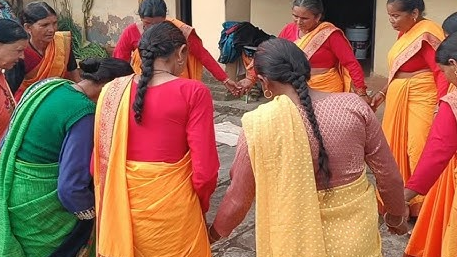
- Origin: Chaufula comes mainly from the Garhwal region, especially village areas where farming and seasonal festivals are a major part of life.
- Who Dances: Both men and women dance together. People of all ages participate, making it a true community celebration.
- Instruments Used: The main instruments are: Dhol, Damau, Folk singing that praises nature and gods
Clothes: Women wear: Ghagra-choli , Pichhaura and a Colorful scarves - Men wear: Kurta-pyjama, Woolen caps and Bright waistcoats
Jewelry: Women wear traditional hill jewelry such as silver necklaces, earrings and bangles. - When It Is Performed: Chaufula is performed during: Spring festivals, Harvest celebrations
- How It Is Performed: Dancers form a circle and move with light, graceful steps. The movements reflect joy, gratitude, and the simple beauty of life. The dance feels peaceful and refreshing, making Chaufula a famous dance of Uttarakhand.
Bhotiya Dance: The Tribal Dance of the Bhotiya People
Bhotiya Dance is a traditional tribal dance performed by the Bhotiya community, who live near the Himalayan borders of Uttarakhand. This is the folk dance and the famous dance of Uttarakhand has a strong connection to rituals, ancestors, and spiritual beliefs.
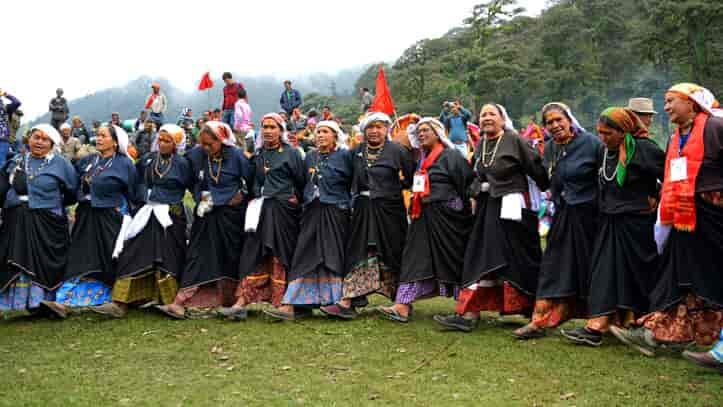
- Origin: It comes from the Bhotiya tribes living in the high-altitude regions like Chamoli, Pithoragarh, and Uttarkashi.
- Who Dances: Both men and women perform this dance together.
- Clothes: The dancers wear: woolen clothes, heavy jackets and traditional mountain attire that reflect the cold climate of their region.
Jewelry: In this dance women wear heavy silver ornaments, nose ring & earrings. - When It Is Performed: This dance is generally performed during festivals and during the death rituals. It is believed that departed soul is captured in goat or sheep and then the dance is performed to liberate the soul.
- How It Is Performed: Dancers move in circles with soft, rhythmic steps. The dance often expresses cultural stories, spiritual beliefs, and the tribal way of life. Its spiritual nature makes it a very unique and famous dance of Uttarakhand.
Read this also : 10 Famous Temples of Uttarakhand You Should Visit
Ramman Dance: The Ritual Dance of Garhwal (UNESCO Recognized)
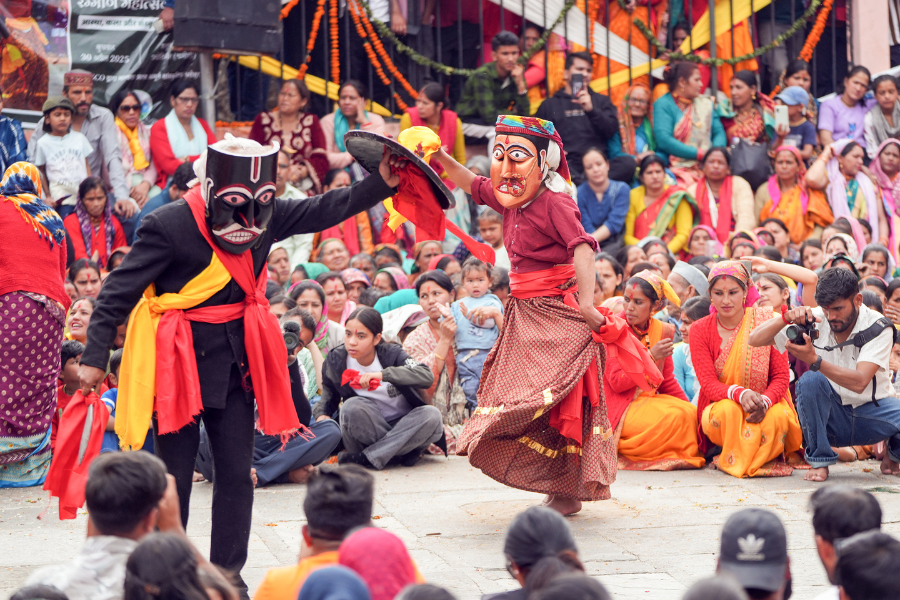
Ramman is a special ritual-based famous dance of Uttarakhand. It is performed only in the village Saloor Dungra of Chamoli district. Ramman is not just a dance it is a complete festival involving rituals, storytelling, songs, and traditional performances. It is generally a masked dance performed by the villagers. It is one of the famous folk dance of Uttarakhand.
- Origin: Originates from Garhwal, especially from the village of Saloor Dungra in Painkhanda Valley. It is recognized by UNESCO as Intangible Cultural Heritage.
- Who Dances: Men of the village perform various roles, including gods, demons, and legendary characters.
- Instruments Used: Dhol, Damau, Bells & Local folk instruments are used during this dance form of uttarakhand.
- Clothes: Dancers wear masks made from bhojpatra. They wear churidar pyjamas, ghaghras, and silk turbans, along with colorful stoles.
- When It Is Performed: Ramman is performed once a year during the Ramman Festival which falls on the ninth or the eleventh day after Baisakhi. Village people offer prayers to the village deity, Bhumiyal Devta, in the courtyard of the village temple.
- How It Is Performed: Performers enact stories from mythology and local legends. Ritual prayers, songs, and dances are combined to create a rich cultural celebration. This makes Ramman one of the most spiritual and famous dance of Uttarakhand.
Conclusion
These famous dance of Uttarakhand that is also the folk dance of uttarakhand shows us how beautifully culture can be expressed through dance.Traditional dances such as the dynamic Chholyia and the Pandav Nirtiya provide both enjoyment and spiritual meaning, while each has its own distinct purpose and style. Uttarakhand folk dance whether performed in remote villages or on modern stages they remain a living symbol of the states heritage. They preserve our identity, history and community spirit making important treasure of Uttarakhand.

