
Laxman Siddh Mandir Dehradun – History, Significance, Story, Best Time & How to Reach


Dehradun, there is something different about the mythological temples of Uttarakhand. Along with the beauty of the temples here, they are also described in history, which makes the temples of Uttarakhand different from others. Today, we tell you about one of the temples, which is famous for its spirituality, natural beauty, and cultural richness in the lap of the Himalayas.
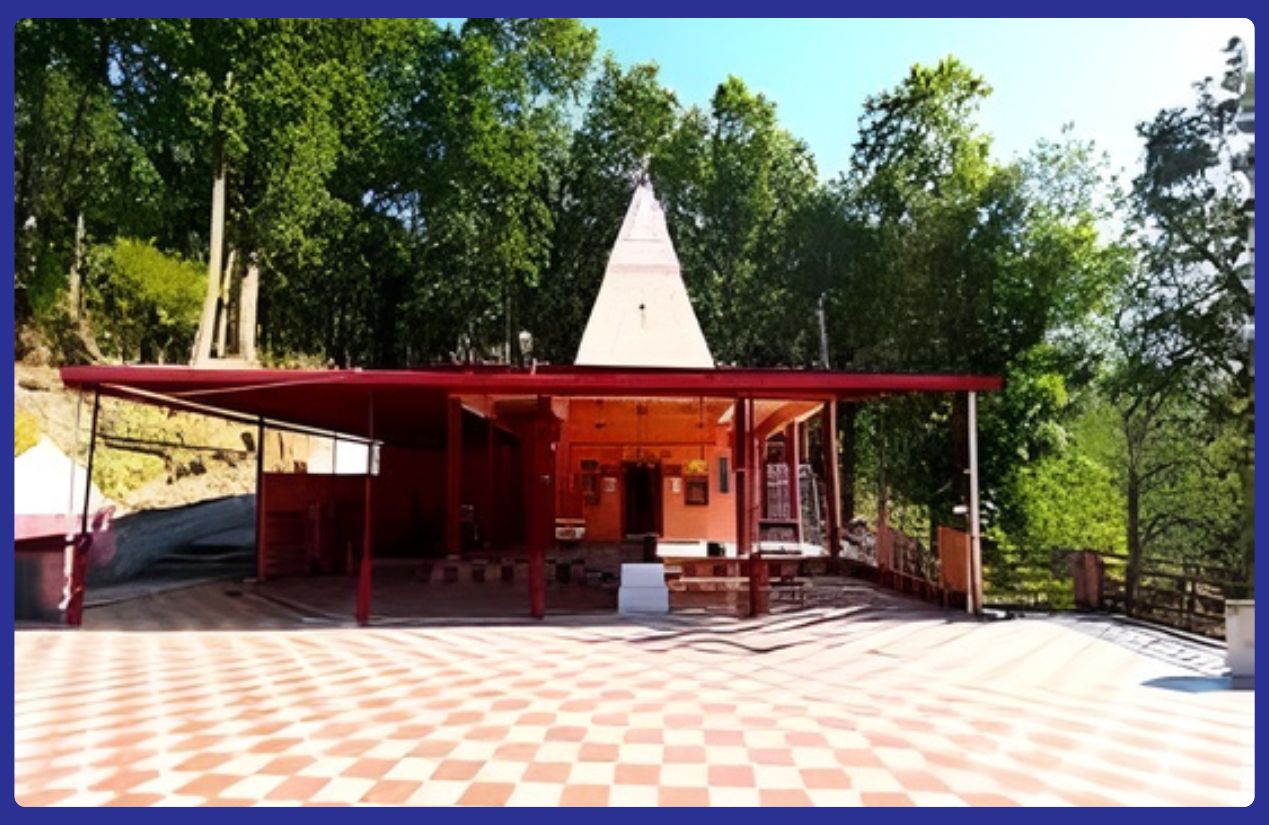
Laxman Siddh Mandir, a reverse Hindu temple, is situated 12 kilometers from Dehradun, Uttarakhand. Mandir is surrounded by dense forest and natural beauty. Laxman Siddh Mandir is dedicated to Lord Laxman, who is the younger brother of Lord Ram. The temple is a perfect blend of peace, nature, and spirituality.
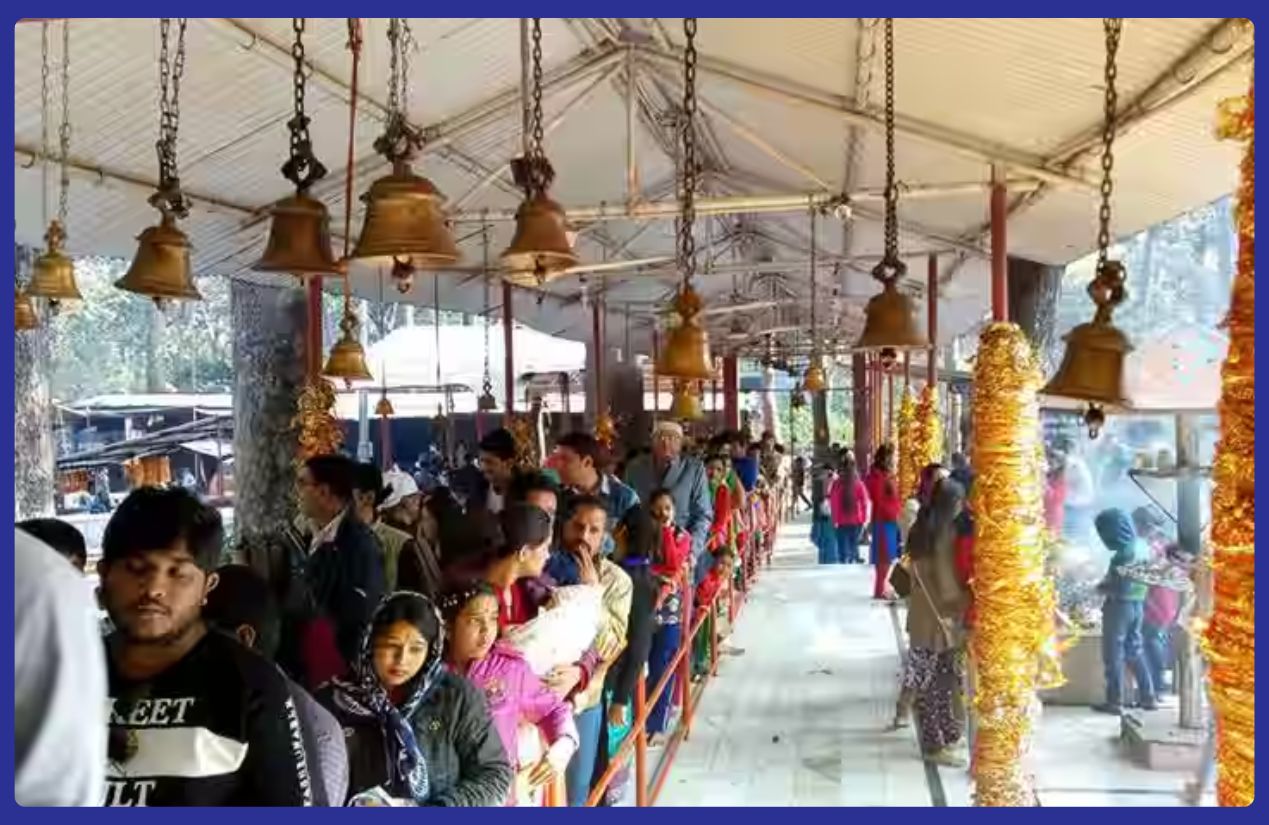
Mythological History and Legends of Laxman Siddh
Laxman Siddh Mandir, deeply rooted in Hindu mythology, is said to be the place where, after the Battle of Lanka, Lord Laxman came to Lachiwala forest for penance. Lord Laxman came here to perform penance since he felt that he had sinned by killing the demon (Ravan).
Another popular legend is that this sacred place was blessed by Saint Baba Siddharaha, who spent many years in meditation. Due to the austerity performed by great souls, this place is known as Laxman Siddh, where ‘siddh’ means spiritual accomplishment.
Spiritual Significance of Laxman Siddh Mandir
The Laxman Siddh mandir is a powerful spiritual place of worship that is considered to produce positive energy and promote peace of mind and clarity of thought. Many of the devotees show a lot of belief that if they pray with all their heart, their prayer will eventually be answered, particularly about their health, safety from danger, and overcoming difficult situations.
The temple provides a place to gain inner peace by meditating and connecting with others spiritually. Many visitors express that they feel quite a bit of tranquility in the temple’s environment.
Temple Architecture and Design
Laxman Siddh Mandir’s architectural design exemplifies simplicity of form, devotion, and spiritual integrity, as opposed to opulence of form. Unlike larger and more elaborate temple complexes, this sacred site is constructed in an understated architectural style, providing a serene environment for prayer, meditation, and inner peace.
The building is constructed in accordance with traditional values and constructed harmoniously with its natural surroundings. Surrounded by thick forests, the temple’s simple design creates a natural unity with the environment, enhancing a sense of tranquility and isolation from the world. The front entrance of the temple leads directly into the sanctum with no additional hallways or decorative features.
The sculpture of Lord Laxman is located inside the garbhagriha (main temple area). The statue is beautifully decorated with many flowers and different types of gifts from the people who worship Laxman to demonstrate their commitment to him. The light that enters the garbhagriha is dim and provides a peaceful atmosphere to the people who are worshipping there, while also providing a refreshing scent from the incense that fills the air and lifts the spirits of all present who are worshipping Lord Laxman.
The spaces surrounding the temple are thoughtfully created and designed for worshippers to sit quietly, meditate, and chant prayers. The absence of excessive architectural embellishments emphasises the purpose of the temple as a centre for tapasya, meditation, and achieving spiritual growth.
In summary, the architectural and design characteristics of Laxman Siddh Mandir embody the principle of simplicity of spirit, harmony of nature, and eternal faith, thus creating a refuge for all who visit.
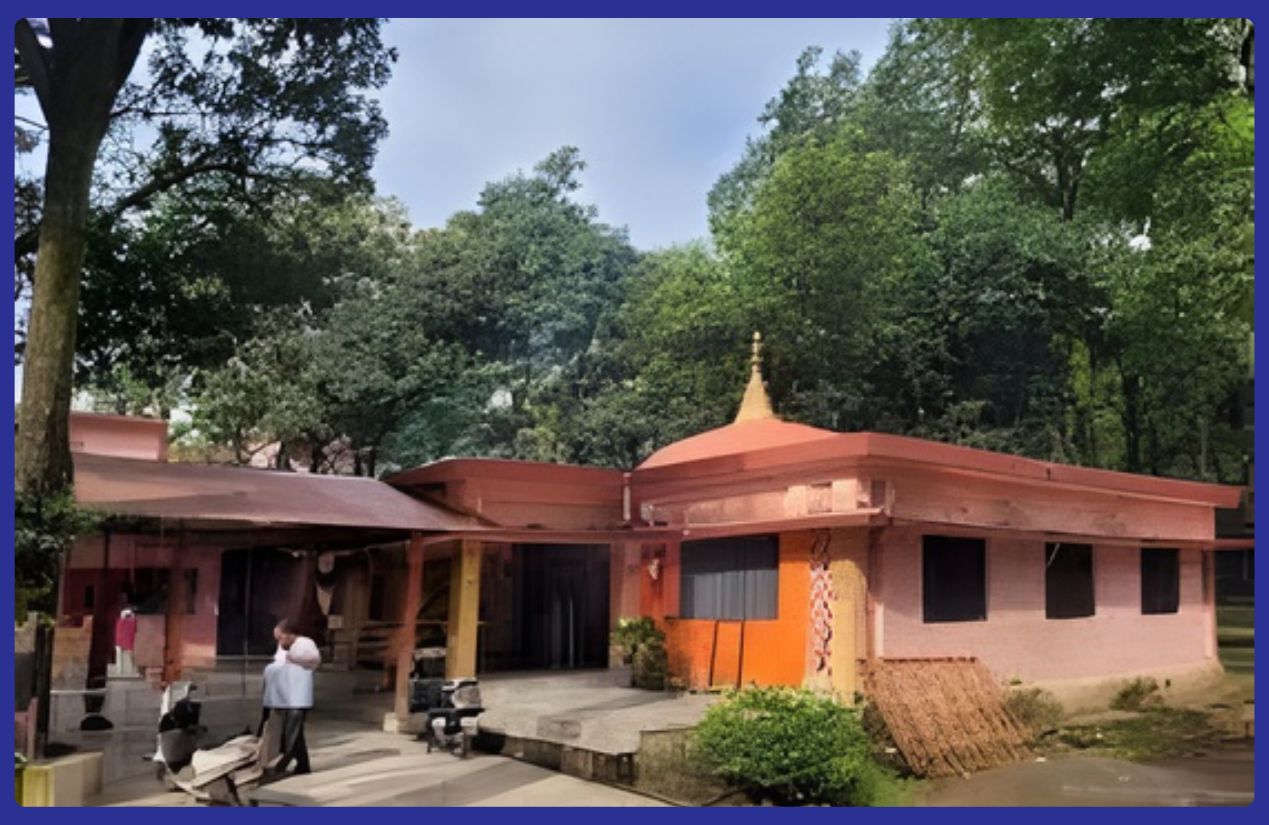
Importance of Saturdays at Laxman Siddh Mandir
In Laxman Siddh Mandir, saturday hold special spiritual significance and is considered the most auspicious day to visit the temple. On Saturday, a large number of devotees come with deep faith to seek blessings from Lord Laxman. According to the devotees, believe that on Saturdays, prayers are fulfilled more quickly. Devotees visit the temple to overcome obstacles, to find a solution to different types of problems, like health-related, personal, professional, etc. Many people light a deepak and offer flowers, sweets, and coconut as part of their prayers. Many devotees also take fasts on Saturdays and visit the temple as part of their spiritual routine.
Overall, Saturdays at Laxman Siddh Temple symbolise faith, hope, and spiritual strength, making it the most preferred day for devotees to experience the temple’s divine energy.
Major Festivals Celebrated at the Laxman Siddh Mandir
- Ram Navami: This festival is one of the most important festivals celebrated at the Laxman Siddh Mandir. Devotees come to the mandir for prayers, and participate in religious rituals.
- Dussehra is another important festival, which symbolizes the victory of good over evil. Devotees come to remember and pray to Lord Laxman in the mandir.
- In Diwali, the mandir glows up with diyas, candles, and electric light. Devotees light diyas to seek blessings for peace, prosperity, and the removal of darkness from their lives. The calm yet festive environment makes Diwali at Laxman Siddh Mandir a deeply spiritual experience.
- Other festivals like Makar Sankranti and Hanuman Jayanti are also celebrated in the mandir. A large number of devotees come.
Read also: Kalpeshwar Temple History: The Story of Shiva’s Jata in Panch Kedar, 10 Famous Temples of Uttarakhand You Should Visit
Other Siddh Peeth of Dehradun
Rather than Laxman Siddh in Dehradun, there are three Siddh Peeths, each have their own spiritual significance. All temples are interlinked with each other. Let’s explore the other three Siddh Peeths of Dehradun:
Kalu Siddh
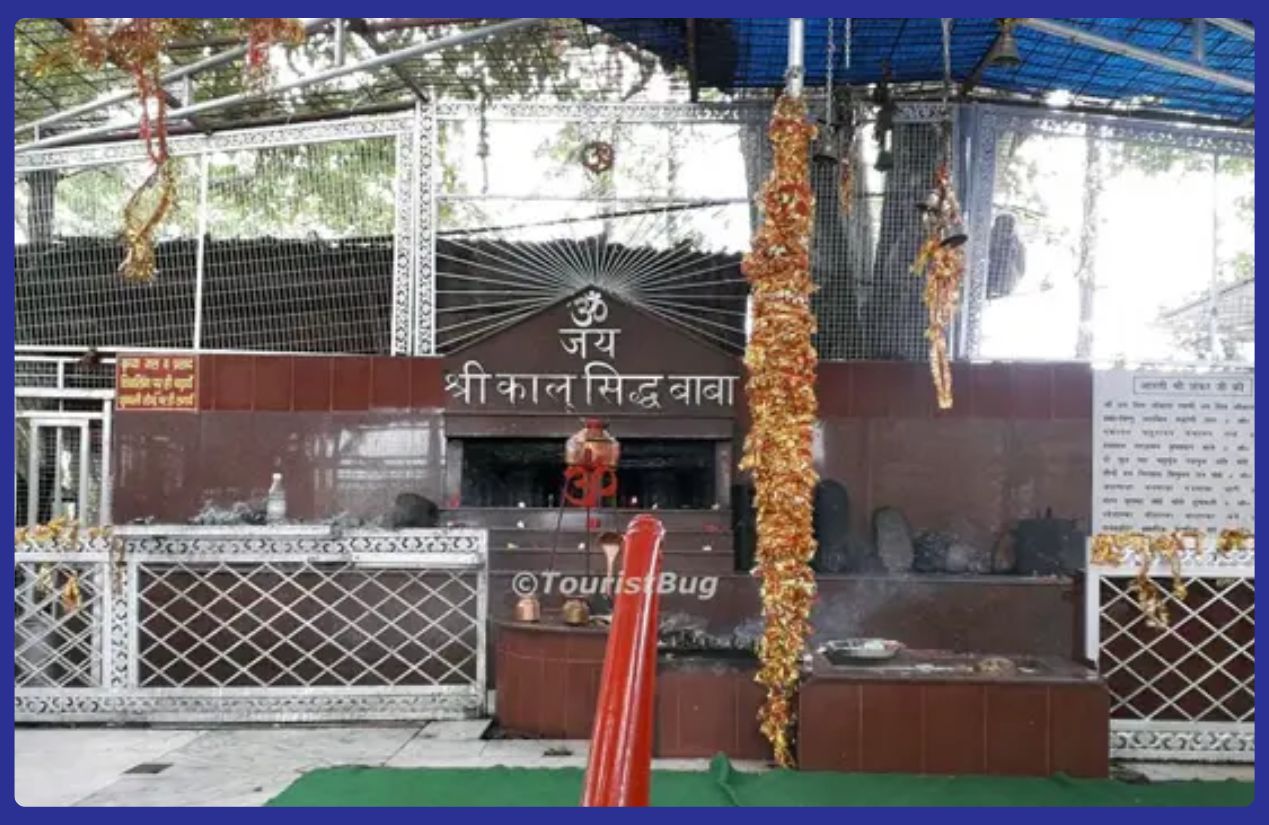
Kalu Siddh is located in Kaluwala village near Bhaniawala. This temple is dedicated to the Sage Kalu; devotees offer jaggery to Baba.
Attraction
- For introspection and meditation, the temple offers tranquillity; it is a perfect place for anyone desiring a peaceful getaway from their busy life.
- The quiet beauty of the temple grounds, which are essentially a peaceful setting, is a dream come true for anyone who loves to enjoy the serenity and beauty of nature.
- During the holy month of Shravan (July-August), when worshipped by followers, Lord Shiva is the Subject of many rituals and prayers performed by visitors to the temple.
Manak Siddh
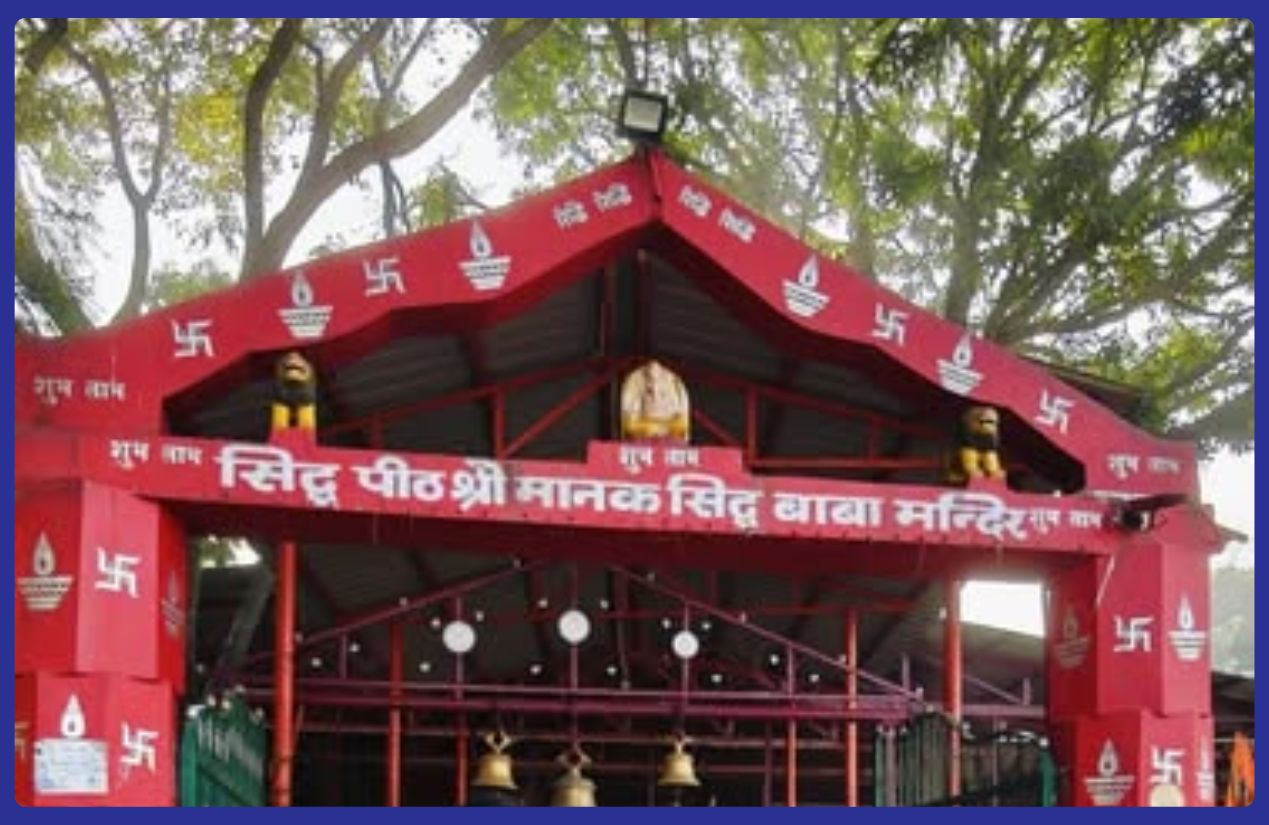
Manak Siddh, located in Buddhi village on Shimla Bypass Road, is dedicated to sage Manak. It is believed that visiting the four pilgrimage sites on the same day with an empty stomach fulfils the wishes of the devotee. Mainly in Mahashivarti large number devotee come because devotee believed that on this day, all wishes come true.
Attractions
- The serene and tranquil surroundings of the temple make it perfect for meditative activities such as praying.
- There are lots of people who visit Manak Sidh each day to pray for blessings that will help them in their lives, whether that be to gain riches, have better health, or create harmony within their families.
- The temple is extra busy at religious festivals when the priests perform additional prayers and rituals for the devotees.
Mandu Siddh
Located near the village of Premnagar, dedicated to the sage Madu. Siddh Peeths are believed to be places where devotees can fulfil their desires through prayer
Attractions
- Visitors flock to this temple primarily due to the natural beauty surrounding it and the tranquil atmosphere that the temple provides for those visiting the temple.
- Many visitors come to the temple to perform rituals as well as pray and meditate to receive blessings from Lord Shiva.
- Visitors have many options for strolling around the area near the temple, allowing them to appreciate the many wonderful sights that the area has to offer.
Best Time to Visit Laxman Siddh Mandir
The best time to visit Laxman Siddh Mandir is from October to April, the weather in Dehradun during that time is pleasant and comfortable for travelling. A pleasant and tranquil environment surrounds the temple during this time of year; there are beautiful views of the forests and the devotees can find peace in praying and meditating while at the temple.
Winter season
Typically, the winter months (October to February) offer the best opportunity to visit this temple. The pleasant atmosphere of winter produces delightful, peaceful experiences if you choose to make your visit early in the day or late at night when it is quiet. Devotees during these times value peace, contemplation, and limited crowds (except Saturdays) that are available to them.
Spring and Early Summer
This time is best for travelling because of the mild temperature and clear skies. Nature around the temple is vibrant, and the overall experience is pleasant for families and spiritual travellers.
Monsoon Season
The beauty of nature during the monsoon season is amazing, but the rain can cause slippery conditions on the roads within the forest. Travel may also be more difficult than normal. If your travel plans are for the monsoon, be careful!
Special Days and Timings
- Every Saturday is highly auspicious, but the mandir can be crowded.
- Festivals like Ram Navami and Dussehra attract a large number of devotees.
How to Reach Laxman Siddh Mandir from Dehradun
Due to excellent road connectivity and proximity to important transportation hubs, it is relatively easy to reach Laxman Siddh Mandir, a tranquil and spiritual temple tucked away near Dehradun.
By Road: Can easily get a bus or an auto-rickshaw from Dehradun to reach the temple. Another idea is to rent a car there.
By Train: The nearest railway station is Dehradun railway station. From the station, hire a private auto or cab to take you to the mandir.
By Air: Jolly Grant is the nearest airport in Dehradun. From the airport, you can take a cab or a bus to the mandir.
Conclusion
Laxman Siddh Mandir is a hidden gem in Dehradun. It is a sacred place where faith, tranquillity, and divine energy come together in perfect harmony. The mandir is surrounding spiritual vibes and historical importance.
Whether you are a devotee or not, you must visit Laxman Siddh Mandir because it’s not just a mandir, it’s a place where you can meditate and find peace. The simplicity of the temple, combined with its deep mythological roots and positive vibrations, makes it a truly special destination near Dehradun.
Location of Laxman Siddh Mandir
